

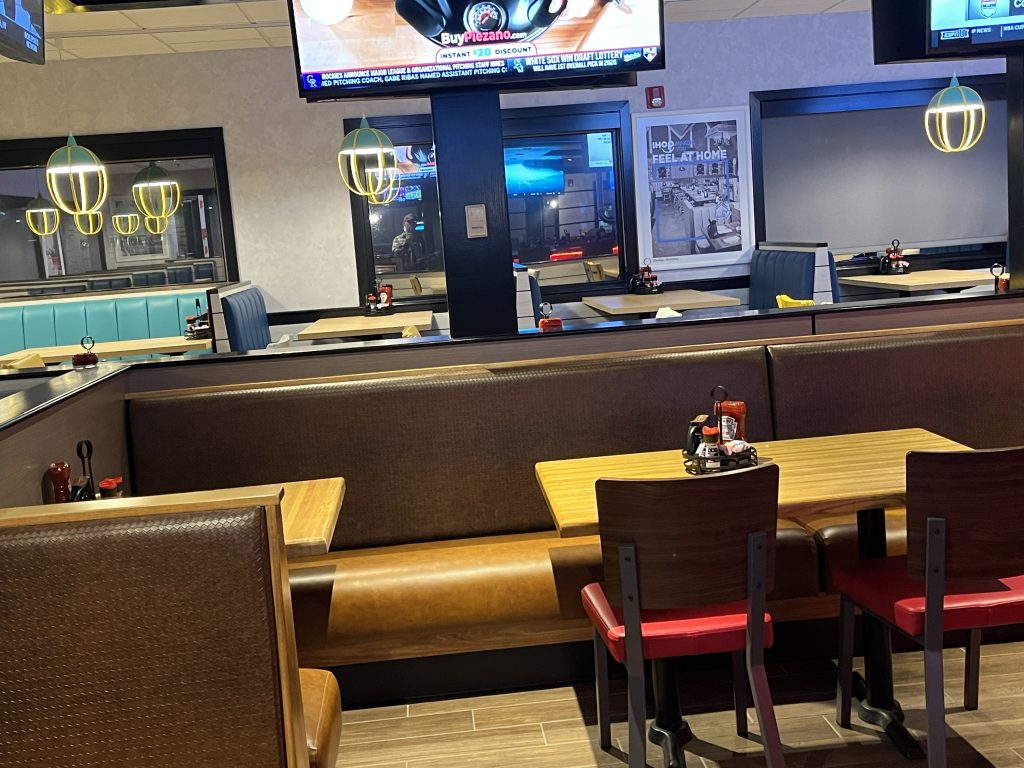
When signing a commercial lease for a restaurant, retail outlet, or commercial office space, securing a Leasehold Improvement Allowance (TIA or TA) is one of the most critical aspects of contract negotiations. A TIA represents landlord-funded capital designated specifically to customize, remodel, or construct the leased commercial space to fit your operational needs.
However, translating landlord allowance dollars into a fully functional, code-compliant commercial facility requires strategic planning, accurate pre-construction estimating, and disciplined project management.
1. What Qualifies Under a Leasehold Improvement Allowance?
Landlords generally restrict TIA funds to permanent physical modifications that add long-term value to the real estate assets. Understanding what qualifies ensures you deploy capital effectively without unexpected out-of-pocket expenses.
- Eligible Structural & Utility Capital: Heavy mechanical, electrical, and plumbing (MEP) rough-ins, commercial kitchen ventilation, grease interceptor trenching, HVAC distribution, and ADA-compliant restroom additions.
- Eligible Interior Finishes: Framing, drywall, commercial flooring, coved tile bases, dropped ceiling grids, and permanent acoustic treatments.
- Typically Excluded Expenditures: Furniture, Fixtures, and Equipment (FF&E), trade-specific kitchen equipment, point-of-sale (POS) systems, loose seating, and movable decor items.
2. Strategic Budgeting & Turnkey Cost Management
To maximize the impact of your allowance, cost management must begin during initial lease negotiations—not after the lease is signed.
- Early Pre-Construction Audits: Partnering with a commercial contractor during lease drafting allows for realistic cost modeling of raw shell spaces vs. second-generation conversions.
- Turnkey Scope Definition: Clearly defining what structural or utility upgrades the landlord completes (“turnkey build”) versus what you execute using your TIA prevents overlapping costs and responsibility disputes.
- Reimbursement Workflow Planning: Establishing clear payment schedules and lien waiver protocols with your landlord ensures TIA funds are disbursed smoothly as construction milestones are met.
3. Aligning Lease Schedules with Construction Timelines
In commercial leasing, “rent commencement” often begins on a fixed date regardless of whether your space is open for business. Delays during construction mean paying rent on an unopen space.
- Negotiating Free-Rent Abatement: Securing a 90-to-180-day rent-free period during active construction protects your operating capital while permits and build-outs are underway.
- Parallel Permitting Strategies: Submitting architectural plans concurrently to building, fire, and health departments reduces waiting periods before construction crews can break ground.
- Fast-Track Project Execution: Utilizing fast-track construction schedules and long-lead material ordering prevents supply chain bottlenecks from delaying your grand opening.
4. Building with a Commercial Specialist
Managing a commercial tenant improvement project requires balancing municipal code compliance, landlord requirements, and strict financial budgets. Working with an experienced commercial specialist ensures every dollar of your improvement allowance is deployed for maximum return.
At Rodeo Builders, we specialize in commercial tenant improvements, restaurant build-outs, and commercial remodeling throughout California. We handle everything from preliminary cost analysis and permit coordination to final municipal sign-offs. We also apply this same commercial-grade discipline and engineering precision to select luxury residential projects.relevant topics.