

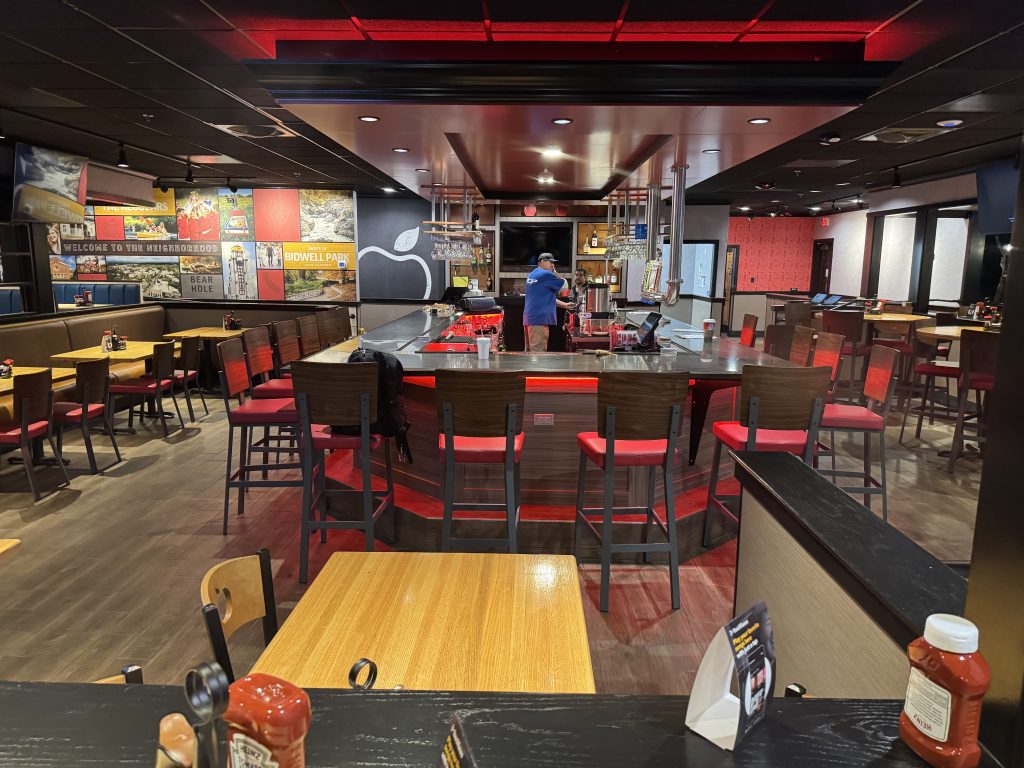
In the restaurant industry, time off-market is lost revenue. Whether you are modernizing an active dining room, expanding a commercial kitchen, or executing a brand turnover, keeping your doors closed during a prolonged remodeling project directly impacts your bottom line.
Executing a successful commercial remodel requires more than standard construction techniques. It demands a fast-track project strategy engineered specifically to accelerate completion without sacrificing structural quality or health code compliance.
1. Integrated Pre-Construction & Early Long-Lead Ordering
Project delays frequently stem from material backorders or delayed equipment deliveries. A fast-track approach tackles these logistics weeks before construction crews step foot on-site.
- Early MEP Procurement: Walk-in refrigeration units, custom Type 1 exhaust hoods, and heavy-duty gas equipment are identified and ordered during the design phase.
- Pre-Permit Plan Coordination: Architectural drawings and health department submissions are coordinated concurrently to fast-track municipal plan check approvals.
- Value-Engineered Submittals: Selecting readily available, commercial-grade materials prevents supply chain bottlenecks during active building phases.
2. Phased & Night-Shift Construction Strategies
For active restaurants undergoing renovation, shutting down completely is not always necessary. Phased scheduling allows businesses to maintain partial revenue streams during structural updates.
- Off-Hours Execution: Scheduling heavy demolition, utility trenching, and noisy floor installations during overnight hours protects daytime dining operations.
- Containment & Dust Control: Temporary, air-tight negative pressure barriers prevent dust and debris from infiltrating active kitchen prep or dining zones.
- Zoned Build-Outs: Dividing the renovation into distinct spatial phases enables front-of-house updates while back-of-house operations continue uninterrupted.
3. Expedited Municipal Sign-Offs & Health Inspections
A completed build-out cannot open without official health department clearance and a final occupancy certificate. Navigating local bureaucracy efficiently is critical to hitting target grand opening dates.
- Proactive Agency Liaison: Maintaining direct communication with municipal inspectors, fire marshals, and health officials ensures timely site visits.
- Pre-Inspection Audits: Conducting internal quality checks on fire suppression systems, backflow preventers, and grease interceptors before official reviews prevents failed inspections.
- Turnkey Regulatory Handover: Ensuring all permits, sign-off sheets, and operational documentation are finalized allows immediate resumption of business.
4. The Value of a Specialized Commercial Partner
General residential contractors often lack the specialized workforce and trade networks required to execute tight commercial timelines. Partnering with a dedicated commercial specialist ensures your project is backed by experienced trade professionals who understand high-volume commercial demands.
At Rodeo Builders, we apply this high-level efficiency, rigorous engineering, and fast-track execution across all our commercial kitchen build-outs, full-scale restaurant remodels, and select high-end residential projects across California.